
Events
Event details are subject to change.
Events
-
-

What We Can Learn from a Long-Term Vegetation Census on St. George Island?
GoToWebinar onlineDr. Tom Miller professor of biological sciences at FSU has conducted a vegetation census on St. George Island since 1999, to document both short- and long-term effects on barrier islands. Hurricanes and droughts can have significant effects on plants, but the communities also show fairly rapid recovery. More importantly, long-term patterns reveal major changes in some plant abundances, with an approximately doubling of the number of plant species over the last 25 years.
Free -
Fishy Fashion Show
Fishy Fashions are marvelously inventive costumes made from flotsam and jetsam and assorted beach debris. This exhibition will begin with a kick-off event, “Fishy Fashion Show,” on Tuesday September 30th at 5:30PM. This fun and educational art and science collaboration will feature original artistic costumes created by local artist Joan Matey, sculptures and fashion accessories created by Franklin County School art class students, as well as educational materials to help increase awareness of the causes and amount of marine debris affecting our oceans. The exhibit will be viewable in the Apalachicola National Research Reserve’s Nature Center on September 30th and through the end of December 2025.
Free -
-

Bay Friendly Landscaping
Apalachicola National Estuarine Research Reserve 108 Island Dr., Eastpoint, FL, United StatesYard design and maintenance can have a big effect on adjacent water bodies. Participants in this workshop will learn about resources to help them transform their yard into a luscious bay conscious landscape. The class will feature resources on landscaping in Florida's unique soil conditions, where to buy plants and seeds, innovative Green Infrastructure techniques such as rain gardens, green roofs, and bio-swales. Come find out how to be good to the bay and reduce the time you spend on maintenance!
Free -

Apalachicola River & Floodplain Exploration
Apalachicola National Estuarine Research Reserve 108 Island Dr., Eastpoint, FL, United StatesThe Apalachicola River has been called “the Lifeblood of the Bay.” Come learn about the ecology, culture, and history of the Apalachicola River and floodplain, and the impact interstate relationships play in the control of the river. After the in-class portion, we will embark on a journey up the river aboard the ANERR research vessel the Tideline to get an up-close look at some of the floodplain ecosystems and distributaries of the river.
This class is free, however reservations are required.Free -

Oyster Ecology
Apalachicola National Estuarine Research Reserve 108 Island Dr., Eastpoint, FL, United StatesLearn about the role oysters play in the health of Apalachicola Bay. Discover what makes the bay so ideal for growing oysters, what gives our oysters their distinct flavor, and how oyster bars benefit the ecosystem. We will also look at possible causes of the oysters collapse and what is being done to restore them to Apalachicola Bay. Participants will get the chance examine these creatures under our high-powered microscope, and learn more about the animals that live in our bay and along the tidal flats.
Free -

Apalachicola Estuary Exploration
Apalachicola National Estuarine Research Reserve 108 Island Dr., Eastpoint, FL, United StatesEstuaries are some of the most productive and complex ecosystems on the planet, serving as critical habitats for diverse species and acting as natural filters for water quality. In this course, you'll explore the unique characteristics that make estuaries such vital environments. We'll examine the rich biodiversity they support and discuss their importance to both the environment and human communities. Whether you're a nature enthusiast or simply curious about these dynamic ecosystems, this course will provide you with a deeper appreciation for estuaries and the crucial role they play in our world.
Free -
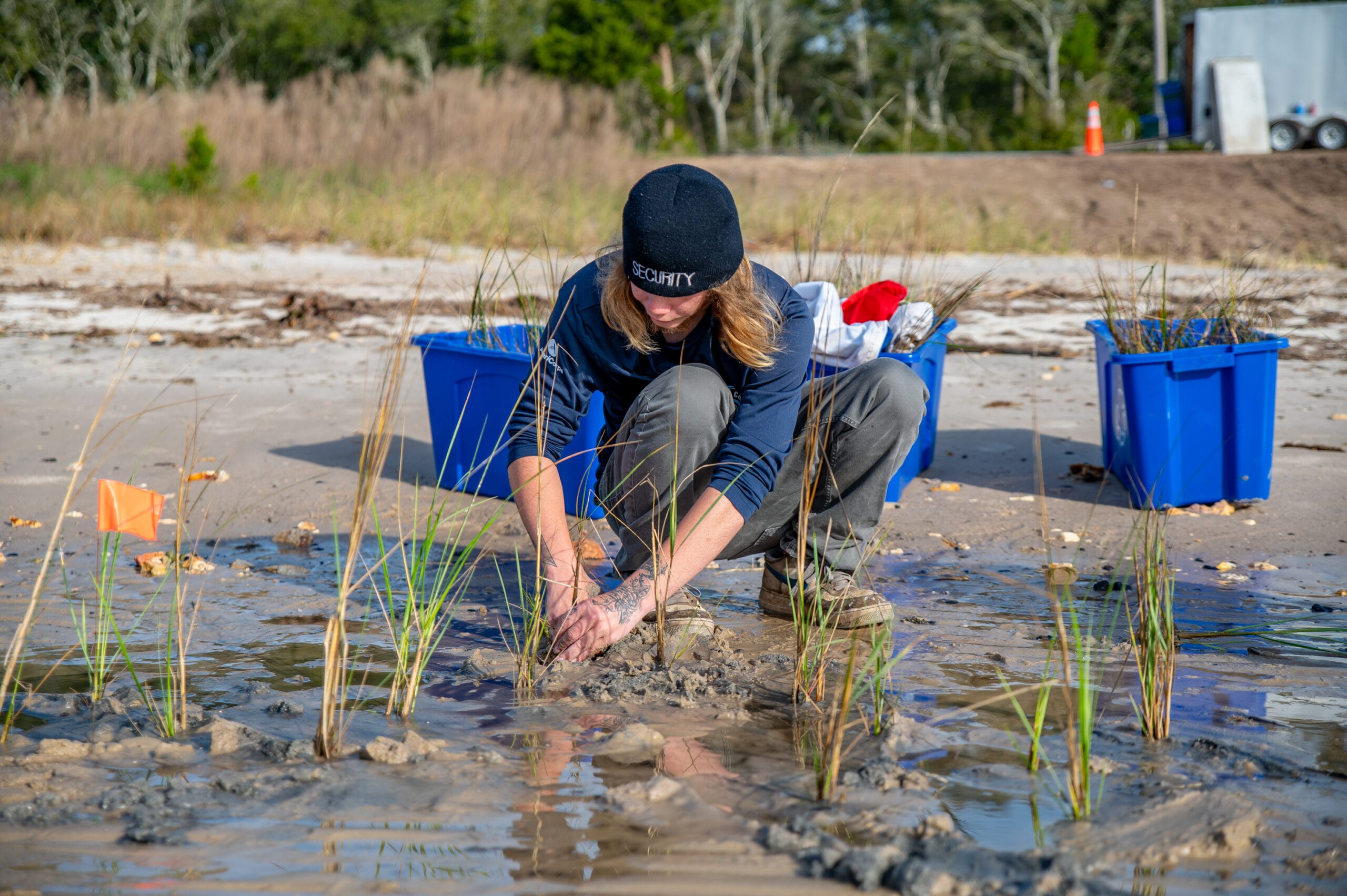
Living Shorelines
Apalachicola National Estuarine Research Reserve 108 Island Dr., Eastpoint, FL, United StatesLearn how living shorelines can help stem erosion. While seawalls might seem like a permanent solution, they often increase erosion on neighboring properties and can fail during intense storms. Living shorelines use plants and natural materials to stabilize shorelines, support the surrounding intertidal environment, and create habitats for both aquatic and terrestrial species. Understanding these coastal-friendly landscaping practices can help stabilize your property and stem erosion.
Free -
-
Bay Friendly Landscaping
Apalachicola National Estuarine Research Reserve 108 Island Dr., Eastpoint, FL, United StatesYard design and maintenance can have a big effect on adjacent water bodies. Participants in this workshop will learn about resources to help them transform their yard into a luscious bay conscious landscape. The class will feature resources on landscaping in Florida's unique soil conditions, where to buy plants and seeds, innovative Green Infrastructure techniques such as rain gardens, green roofs, and bio-swales. Come find out how to be good to the bay and reduce the time you spend on maintenance!
Free -
Apalachicola River & Floodplain Exploration
Apalachicola National Estuarine Research Reserve 108 Island Dr., Eastpoint, FL, United StatesThe Apalachicola River has been called “the Lifeblood of the Bay.” Come learn about the ecology, culture, and history of the Apalachicola River and floodplain, and the impact interstate relationships play in the control of the river. After the in-class portion, we will embark on a journey up the river aboard the ANERR research vessel the Tideline to get an up-close look at some of the floodplain ecosystems and distributaries of the river.
This class is free, however reservations are required.Free -
Flight of the Monarch Event
Apalachicola National Estuarine Research Reserve 108 Island Dr., Eastpoint, FL, United StatesEach fall monarch butterflies migrate through Apalachicola and other parts of the Panhandle on their 2,000 mile fall migration to Central Mexico. Reserve staff tags as many of these monarchs as they can to help the Monarch Watch understand the dynamics of the fall migration through mark and recapture. Join us as for a film and educational event for adults and children.
Free