
Reconnecting Secondary Channels on the Apalachicola River Floodplain
October 22 @ 3:00 pm - 4:00 pm
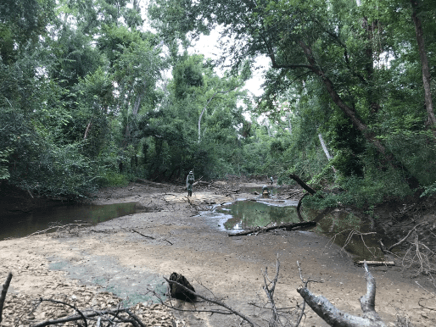
Laterally connected floodplains are environments of tremendous hydrologic and ecological importance, and secondary channels on floodplains play an outsized role as hotspots of biodiversity and ecological productivity. This is true of the Apalachicola River, whose 170-km-long mainstem is flanked by another 650 km of secondary channels (‘sloughs’), which create a complex mosaic of off-channel water bodies that support a diverse assemblage of fish, freshwater mussels, and other organisms. Fluvial geomorphologist Matt Kondolf explains how a failed navigation project in the second half of the 20th century caused extensive disruption to the channel geomorphology and ecology. Dredging exposed large areas of sand, some of which was transported in suspension into sloughs, where it deposited sediment plugs that can block flow into sloughs. Now that the river has partially recovered from this massive disturbance, three pilot projects are testing the effectiveness of removing sand blockages to reconnect sloughs at lower flows, measuring changes in hydrologic and ecological connectivity (e.g., flows, water quality, aquatic species and life stages).
To register, go to: https://zoom.us/meeting/register/pjaPQiVrTvOPTbLVTfRbLA